When I first started fly fishing, understanding the different types of lines was overwhelming. Quality fly lines, tippets, and leaders are essential components that will significantly improve my fishing experience. Each type serves a specific purpose, from casting to connecting the fly to the line, and knowing which to use can make all the difference.
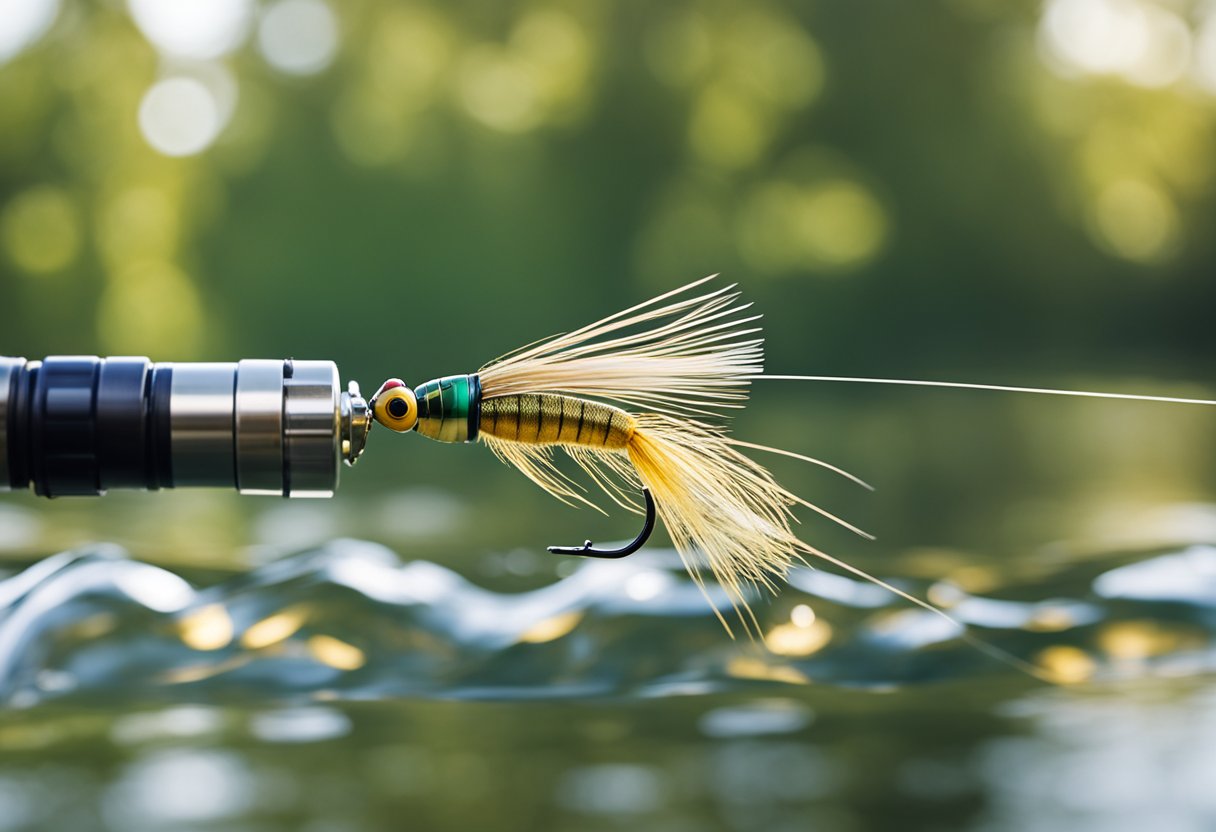
Fly lines come in various forms, including floating and sinking options, tailored for different fishing conditions. Tapered leaders and tippet lines add finesse to my tackle, allowing for better presentation of the fly. Incorporating loop connectors simplifies changing flies, minimizing the hassle during an active fishing day.
By mastering the intricacies of these components, I can enhance my skills and increase my chances of a successful catch. Gaining knowledge about fly lines, leaders, and tippet strands is the key to adopting a more strategic approach to fly fishing.
Fly Line Fundamentals
Understanding the essentials of fly line is crucial for successful fly fishing. This section covers the types of fly lines available and their material properties, helping you choose the right line for specific fishing environments and scenarios.
Fly Line Types and Uses
Fly lines come in various types, each designed for specific fishing scenarios. Common types include:
- Floating Lines: Ideal for dry flies, they remain on the surface, allowing for effective presentations in freshwater environments.
- Sinking Lines: Suitable for wet flies and streamers, they sink to bring your flies to deeper waters.
- Intermediate Lines: These fall between floating and sinking, perfect for targeting fish at varying depths.
Choosing the right fly line type enhances presentation. For example, smaller flies may benefit from a lighter floating line, while saltwater fishing often demands a heavier sinking line for efficiency. My experience has shown that matching line type with fishing conditions significantly improves catch rates.
Fly Line Materials and Durability
Fly line materials significantly affect performance and durability. Most lines are made from either PVC or polyurethane.
- PVC: Offers adequate flexibility and is cost-effective but may lack long-term durability.
- Polyurethane: Provides excellent abrasion resistance and can withstand harsher saltwater environments.
A durable line resists the wear and tear from abrasive surfaces while delivering reliable performance. In my experience, selecting a high-quality line pays off, especially when fishing in challenging conditions. Pay attention to the line’s core strength and coating to ensure longevity and effectiveness on the water.
Leader and Tippet Essentials
In fly fishing, the right leader and tippet are crucial for presenting your fly effectively. Their selection impacts your casting accuracy, the way your fly behaves in the water, and ultimately, your success.
Understanding Tapered Leaders
Tapered leaders are designed with varying diameters, allowing for smooth transitions between the heavier section attached to the fly line and the thinner tippet. This design helps in casting efficiency and minimizes splashes.
Monofilament leaders offer a good balance of strength and elasticity. Common lengths range from 7.5 to 12 feet. The ideal leader length can depend on whether I’m dry fly fishing or nymph fishing. For dry flies, I prefer a longer leader for delicate presentations.
Quality matters when selecting leader material. Factors like visibility and wet knot strength come into play, impacting how well the leader performs under varied conditions.
Choosing the Right Tippet
Selecting the appropriate tippet is essential for presenting flies correctly. Tippets should match the leader’s diameter, offering a seamless connection. Tippet strength and size depend on the target species and environmental conditions.
For example, a 5x tippet might work well for smaller trout, while a 3x can be suitable for larger fish. I also consider the stretch and knot strength of the tippet material, as these contribute to overall performance.
Materials can vary from monofilament to fluorocarbon, with both offering distinct advantages. Fluorocarbon is less visible underwater, making it ideal for wary fish. I often carry several spools with different weights to adapt to changing fishing conditions.
Specialized Fly Fishing Strategies
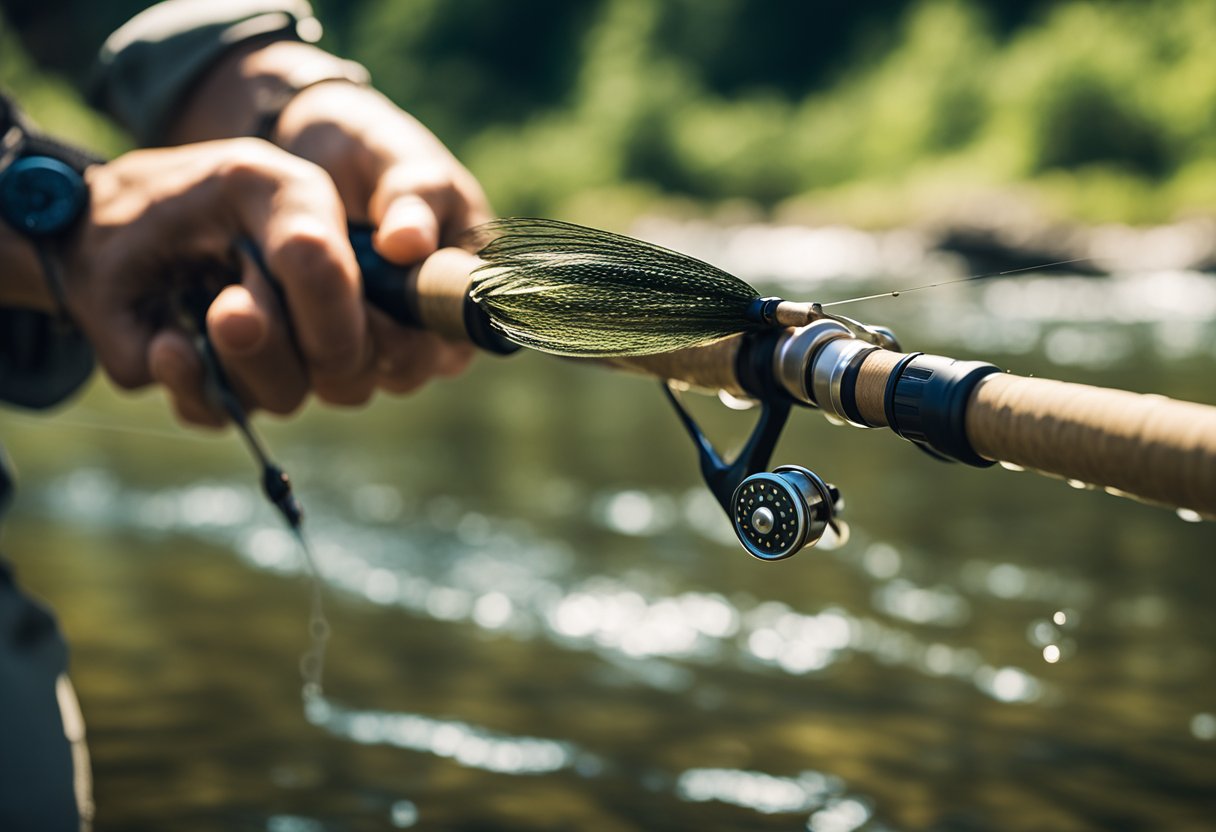
In my experience, specialized fly fishing strategies are essential for effectively targeting specific species in their environments. Understanding how to adapt various techniques can greatly enhance success rates.
Target Species and Their Environments
When pursuing different target species, I pay close attention to their specific habitats. For instance, trout prefer freshwater rivers and streams, often hiding near underwater structures like rocks and vegetation. I find that utilizing dry flies during hatching periods can yield excellent results.
On the other hand, saltwater species such as tarpon and bonefish frequent coastal regions and mangroves. Streamer fishing works well in these areas, especially during low-light conditions. Conditions such as tides and weather also play a crucial role in determining which species to target and when.
Adaptation for Various Fishing Techniques
Adapting my approach based on fishing scenarios has proven to be beneficial. For freshwater fishing, I often rely on wet flies to mimic insects submerged in the water. This method can be particularly effective during warmer months.
In saltwater, the use of tapered leader lines allows for better presentation and control of the fly. Additionally, I utilize techniques like casting in specific locations, such as near reefs or under structures, to increase my chances of a successful catch. Each technique requires a careful assessment of environmental factors to optimize outcomes.
Connecting with Fly Fishing Loop Connectors
When I prepare for a fly fishing trip, using a reliable loop connector is essential. These connectors facilitate quick and easy attachment of tippet or leader lines to my fly line.
Benefits of Loop Connectors:
- Ease of Use: I appreciate how simple these connectors make the process. They allow me to change flies quickly without tying knots.
- Durability: A quality loop connector can withstand the strain of fish fights. I choose connectors made from robust materials to ensure longevity.
Types of Loop Connectors:
- Plastic Loop Connectors: These are lightweight and effective for freshwater fishing. I find them particularly useful in calm waters.
- Metal Loop Connectors: I often rely on metal variants for saltwater fishing. They offer superior strength and resistance to corrosion.
When attaching the loop connector, I make sure to create a strong connection with the leader line. A well-tied knot can make all the difference.
I also inspect my loop connectors regularly, replacing them if any wear is noticeable. This practice helps maintain my equipment’s integrity during each fishing outing.
In conclusion, selecting the right loop connector enhances my fly fishing experience. It streamlines my setup and allows me to focus on what really matters: the catch.