Selecting the right fly line is crucial for any angler looking to enhance their fishing experience. Understanding the nuances between different types of intermediate fly lines—such as slow, fast, and sinking options—can significantly improve your casting accuracy and depth control. As I’ve explored various fly lines, it’s clear that choosing the right one can make all the difference in catching more fish and enjoying your time on the water.

For those who are at an intermediate level in fly fishing, navigating through slow and fast intermediate lines allows for better adaptability to changing water conditions. A slow intermediate line is typically ideal for fishing in shallower waters, where a delicate presentation is needed, while a fast intermediate line can effectively cover deeper areas more quickly. Throughout my experiences, I’ve found that the best sinking intermediate fly lines are invaluable when pursuing species that thrive at greater depths, ensuring my flies get to where the fish are.
Whether I’m casting with a fly rod on a serene lake or in a winding river, finding the best intermediate fly line tailored to your fishing style is essential. It enhances not only the success of my fishing trips but also my overall enjoyment of the sport.
Understanding Fly Line Characteristics
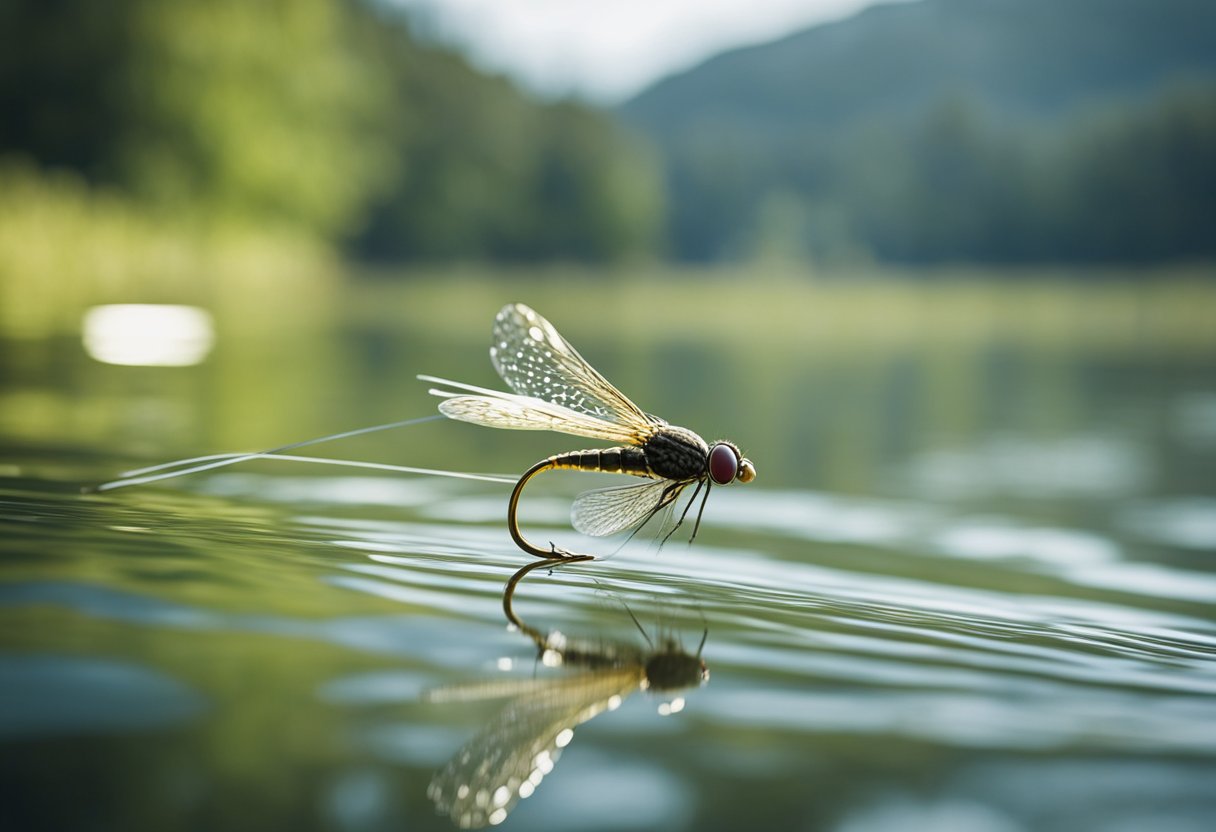
Fly line characteristics significantly affect your casting experience and your success on the water. Key factors like sink rate, line weight, taper design, and color all play a critical role in how a line performs.
Sink Rate and Line Weight
Sink rate is essential to consider when choosing an intermediate fly line. Lines can vary in their ability to sink, which is often categorized by types such as Type 3 and Type 7. Type 3 typically sinks at about 1-3 inches per second, while Type 7 sinks faster, around 3-7 inches per second.
Line weight is equally important, as it affects casting distance and control. Heavier lines can cast larger flies and overcome wind resistance, while lighter lines offer more delicate presentations. Choosing the right line weight complements your rod and enhances casting accuracy, especially when targeting specific fish depths.
Taper Design and Line Colour
Taper design influences how lines behave in the water. Delta taper, for instance, facilitates a smooth transition from thick to thin sections, enhancing control and delicacy during casts. This design can impact how quickly the line turns over and presents the fly.
Line color also plays a role in visibility. Bright colors can be useful for spotting the line during casting, especially in low-light conditions. Conversely, more muted colors can help reduce spooking fish in clear water. This duality in design and color can dictate success, making it crucial to consider how both aspects align with your fishing conditions and species targeted.
Types of Intermediate Fly Lines
When selecting the right intermediate fly line, it’s essential to understand the various types available. Each line serves specific purposes and conditions, enhancing your fishing experience.
Best Intermediate Fly Line
The best intermediate fly line offers versatility and performance across different water types. I recommend lines with a balanced taper design that allows for precise casting. A typical choice features a sinking rate between 1.5 to 3 inches per second, ideal for targeting fish that inhabit varying depths.
Popular options include lines from brands like Scientific Anglers and Rio. These lines often come with welded loops for easy leader attachment. A line with a front taper enhances casting distance and accuracy, especially in windier conditions.
Slow Intermediate Fly Line
Slow intermediate lines are designed to sink at a rate of about 1 inch per second. This gradual descent makes them perfect for shallow waters where fish are more likely to strike close to the surface.
These lines are often favored in still waters, especially during colder months when fish are more sluggish. Brands like Orvis offer excellent slow intermediate lines featuring a thin diameter, reducing drag and enhancing stealth.
Using a slow intermediate line allows for a gentle presentation, making it easier to tempt cautious fish. Pairing it with a light leader can also improve the line’s efficacy.
Fast Intermediate Fly Line
Fast intermediate fly lines sink quickly, typically at rates of 3 to 6 inches per second. These lines are crucial for reaching deeper waters swiftly, especially in situations where fish are holding at greater depths.
I find that fast intermediate lines work exceptionally well in rivers with a strong current. They enable anglers to maintain control while presenting streamers or nymphs effectively.
Quality fast intermediate lines, such as those from Airflo, often feature a stout core for better durability under pressure. If fishing in challenging conditions, this line can help ensure success.
Best Sinking Intermediate Fly Line
For those targeting specific underwater structures, a best sinking intermediate fly line is necessary. These lines feature varying sinking rates, often between 3 to 7 inches per second, suitable for fishing around submerged rocks and vegetation.
I recommend looking for full sink lines when depth control is crucial. The versatility of these lines allows for changing techniques, whether you’re using streamers or nymphs.
Brands like Cortland provide options with enhanced sensitivity and control, making it easier to detect subtle bites. A colored section on the line can also aid in tracking your sink rate and retrieve speed.
Selecting the Ideal Fly Line for Different Conditions
Choosing the appropriate fly line is crucial for optimizing your fishing experience. Various factors, such as the type of flies used and environmental conditions, influence my selection process.
Matching Lines with Flies
I focus on aligning my fly line type with the flies I plan to use. For instance, when fishing with streamers, I prefer a fast intermediate line that allows for quick retrieves and better control. If I’m using nymphs, a slow intermediate line works well, providing a gentle presentation in the water.
For dry flies, I opt for a floating line to keep the fly on the surface. In contrast, when targeting chironomids, a sinking line can help me reach deeper layers where these insects reside. I always consider the target species; certain fish respond better to specific presentations.
Weather and Water Influence
Weather plays a significant role in my line choice. In windy conditions, I often select a heavier line to combat wind resistance and improve casting accuracy. Clear water demands a more subtle approach, so I lean towards lighter lines that offer a more natural presentation.
Water temperature also affects fish behavior. In colder waters, I might choose a sinking line to present my fly at optimal depths. Conversely, warmer waters may require a floating line to keep pace with active fish. Always pay attention to these variables for a successful outing.
Brands and Technology
In the fly line market, various brands leverage innovative technologies to enhance performance and durability. Understanding their offerings can help you choose the right line for your needs.
Major Brands and Material Innovation
Airflo and Rio are industry leaders known for their engineering advancements. Airflo’s Ridge Line technology utilizes a textured surface to reduce friction, allowing for longer casts and improved line management. Rio, on the other hand, integrates a durable coating designed to resist abrasions, providing a longer-lasting product.
The materials used, like advanced polyurethane, enhance performance by ensuring flexibility and strength. Both brands offer specialized options, catering to the needs of slow and fast intermediate fly lines. Their emphasis on delicacy and distance has redefined casting efficiency, making them popular choices among anglers.
Customer Reviews and Durability
Customer feedback often highlights the significance of durability in fly lines.
Several reviews commend Airflo lines for their resilience, especially the running lines designed for various conditions. Users frequently note their ability to handle rough environments without significant wear.
Rio lines receive praise for their reliability, especially the sinking options, which maintain performance over time.
Key Points from Reviews:
- Airflo: Durable coatings and impressive distance.
- Rio: Strong customer satisfaction with longevity.
Anglers appreciate durability, with many affirming that investing in quality lines pays off during extended fishing trips.